Child-Safe Lawn Treatments, Creating a Worry-Free Backyard
Creating a lush, green lawn is something many homeowners take pride in, especially when it becomes a place for relaxation and outdoor living. However, when you have children and pets, safety becomes just as important as maintaining that picture-perfect appearance.
The good news is that you don’t have to choose between a healthy lawn and a safe environment for your family. With the right products and thoughtful practices, you can maintain a beautiful yard while minimizing potential risks.
This guide will walk you through which lawn care chemicals are safer, how to use them responsibly, and how to reduce exposure while still achieving great results. By understanding both the products and the process, you can make smarter decisions for your home.
Why Safety Matters in Lawn Care
Children and pets interact with your lawn very differently than adults, often spending long periods of time in direct contact with the grass. They sit, crawl, roll, and play in ways that increase their exposure to anything applied to the surface.
Kids frequently put their hands in their mouths without thinking, especially after playing outside. Pets, on the other hand, may lick their paws or fur after walking across treated areas, which can increase the chance of ingestion.
Because of these behaviors, children and animals are more likely to absorb or come into contact with chemical residues left behind on the lawn. This makes careful product selection and proper application essential for maintaining a safe outdoor space.
What Makes a Lawn Chemical “Safe”?
No chemical product is completely risk-free, even those marketed as natural or organic, which is why understanding how they work is so important. Safety depends not only on the ingredients themselves but also on how the product is applied and how long it remains active.
A safer lawn care product is typically one with lower toxicity, minimal environmental impact, and the ability to break down quickly after use. These products are designed to reduce long-term exposure while still delivering effective results for your lawn.
Key Features of Safer Lawn Products
- Low toxicity to humans and animals
- Clearly labeled safety instructions
- Biodegradable ingredients
- Minimal residue after application
- Approved for residential use
Understanding Labels Is Critical
Every lawn care product includes a label with important safety details that should never be ignored or overlooked during application. These labels are not just recommendations—they provide legally required instructions that are designed to keep you and your family safe.
They tell you how much product to apply, how long to wait before re-entering the lawn, and what precautions to take during use. Taking the time to read and follow these directions is one of the simplest and most effective ways to reduce risk.
The Safest Types of Lawn Care Products
Some lawn care products are naturally safer than others, especially those specifically designed for residential use and family environments. Choosing the right category of product is the first and most important step toward creating a safer yard.
By focusing on low-toxicity and targeted solutions, you can significantly reduce unnecessary exposure for both children and pets. This approach also helps you maintain better control over how and where treatments are applied.
Organic and Natural Fertilizers
Organic fertilizers are widely considered one of the safest options for maintaining a healthy lawn while minimizing chemical exposure. They work by improving soil quality and feeding your grass gradually over time rather than delivering a quick surge of nutrients.
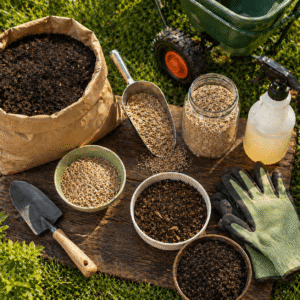 Common Ingredients in Organic Fertilizers
- Compost
- Manure-based blends
- Bone meal
- Fish emulsion
- Seaweed extract
These materials release nutrients slowly, which helps prevent sudden spikes that can lead to runoff or overexposure in your yard. This gradual process supports long-term soil health and reduces the need for frequent reapplication.
In addition, organic fertilizers improve soil structure and encourage beneficial microbial activity that supports plant growth. Healthier soil leads to stronger, more resilient grass that naturally resists weeds and pests.
Slow-Release Synthetic Fertilizers
Not all synthetic fertilizers are harmful, especially when they are designed to release nutrients slowly over time. These products are engineered to provide consistent feeding without overwhelming the lawn or the surrounding environment.
Why Slow-Release Is Safer
- Reduces risk of over-fertilization
- Limits chemical runoff into water systems
- Lowers exposure levels for pets and children
These fertilizers offer a practical balance between convenience and safety, making them a popular choice for homeowners who want predictable results. When used correctly, they can support lawn health without the risks associated with fast-acting chemicals.
Safer Weed Control Options
Weeds can quickly take over a lawn if left untreated, competing with grass for nutrients, water, and sunlight. Fortunately, there are effective ways to manage weeds without relying on harsh chemical solutions.
Iron-Based Herbicides
Iron-based herbicides are a popular safer alternative because they specifically target broadleaf weeds without damaging grass. They work quickly by causing weeds to dry out and die within a short period of time.
These products are especially effective on common weeds like dandelions and clover, making them a practical solution for many homeowners. Once dry, they are generally considered safe for children and pets and break down quickly in the environment.
Vinegar-Based Weed Killers
Vinegar-based solutions use acetic acid to kill weeds and are often used in natural lawn care strategies. They are most effective for small areas and targeted applications rather than large-scale treatments.
Best Uses
- Driveways and sidewalks
- Spot treatments in lawns
- Small weed patches
These solutions are non-selective, meaning they can damage grass if applied too broadly or without care. For best results, apply them carefully and avoid using them on windy days when the solution can drift.
Manual and Spot Treatment Methods
One of the safest and most effective weed control methods is also the simplest—removing weeds by hand or treating only the affected areas. This approach minimizes chemical use and allows for much more precise control over your lawn care routine.
By focusing only on problem spots, you reduce unnecessary exposure across your entire lawn and limit the amount of product used. This method is especially helpful in areas where children and pets play frequently.
Safer Pest Control Solutions
Insects can damage lawns and disrupt healthy growth, but strong chemical pesticides are not always necessary to solve the problem. There are safer, more environmentally friendly options that can effectively control pests without harming your family.
Beneficial Nematodes
Beneficial nematodes are microscopic organisms that live in the soil and target harmful pests like grubs and larvae. They are completely natural and do not pose any risk to humans, pets, or plants.
Why They’re a Great Option
- Completely natural and non-toxic
- Safe for all living organisms except target pests
- Easy to apply with water
They provide long-term pest control by working with your lawn’s natural ecosystem rather than disrupting it. This makes them an excellent choice for homeowners looking to reduce chemical use while maintaining effectiveness.
Neem Oil
Neem oil is derived from the neem tree and is commonly used in organic lawn and garden care. It acts as both a natural insect repellent and a growth regulator that interferes with pest development.
Benefits of Neem Oil
- Acts as a natural insect repellent
- Disrupts pest life cycles
- Breaks down quickly in sunlight
When used as directed, neem oil is considered safe and leaves minimal residue behind on treated surfaces. Its ability to break down quickly also reduces the chances of long-term exposure.
Diatomaceous Earth
Diatomaceous earth is a natural powder made from fossilized microorganisms and works by damaging the outer layer of insects. This causes dehydration in pests without introducing toxic chemicals into your lawn.
Safe Usage Tips
- Apply in dry conditions
- Avoid inhaling the dust
- Keep applications targeted
It is non-toxic to both humans and pets when used correctly, making it a reliable option for safe pest control. However, proper handling is still important to avoid irritation during application.
How to Apply Lawn Chemicals Safely
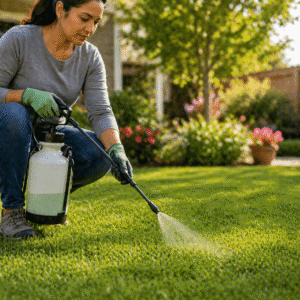 Even the safest lawn care products can become a problem if they are applied incorrectly or without proper planning. Using the right techniques helps reduce exposure while ensuring the product works effectively.
Apply at the Right Time
Choose a time when children and pets are not actively using the yard, such as early morning or later in the evening. This gives the treatment time to settle into the soil and reduces the chances of direct contact.
Follow Drying and Re-Entry Guidelines
Most lawn treatments become significantly safer once they have fully dried or been absorbed into the ground. Always check the label for specific re-entry times and wait the recommended period before allowing anyone back onto the lawn.
Use the Correct Amount
Applying more product than recommended will not improve results and can actually increase safety risks for your household. Carefully measuring each application ensures you are using only what is necessary for effective treatment.
Wear Basic Protective Gear
Wearing gloves, closed-toe shoes, and appropriate clothing helps protect you during application and reduces direct exposure. It also prevents chemicals from being tracked indoors, which helps keep your home environment safer.
Storage and Handling Best Practices
Safe lawn care does not end after application, because improper storage can create risks inside your home. Keeping products secured and clearly labeled is especially important in households with children and pets.
Store Products Securely
All lawn care chemicals should be kept in a locked cabinet, garage shelf, or storage area that is out of reach. This prevents accidental exposure and ensures products are only used when intended.
Keep Products in Original Containers
Original containers are designed for safe storage and include important usage instructions and warnings. Transferring chemicals into other containers can lead to confusion and increase the risk of accidental misuse.
Clean Equipment After Use
After applying any lawn treatment, rinse your tools thoroughly to remove leftover residue that could cause unintended exposure later. Proper cleaning also helps maintain your equipment and ensures more accurate application in the future.
Final Thoughts
So, what chemicals should you use that are safe for kids and pets? The answer lies in choosing low-toxicity, targeted products and using them with care and precision throughout the entire process.
Organic fertilizers, iron-based herbicides, and natural pest control methods are among the best options for maintaining both safety and effectiveness. When combined with proper application techniques and strong lawn care habits, they allow you to create a yard that is both beautiful and worry-free.